What it is, when it occurs, and how to enjoy the water safely
As the warmer months arrive in the Whitsundays, the ocean takes on that unmistakable tropical
feel. With warmer water, longer days, and an increase in marine life. It’s also the time of year
when you may hear people mention “stinger season.” While the term
can sound concerning, stinger season is simply a natural, seasonal part of tropical waters and
one that’s easily managed with the right knowledge and precautions.
This guide explains what stinger season is, the risks involved, and how visitors can still
confidently enjoy swimming, snorkelling, and other in-water activities.
What is stinger season?
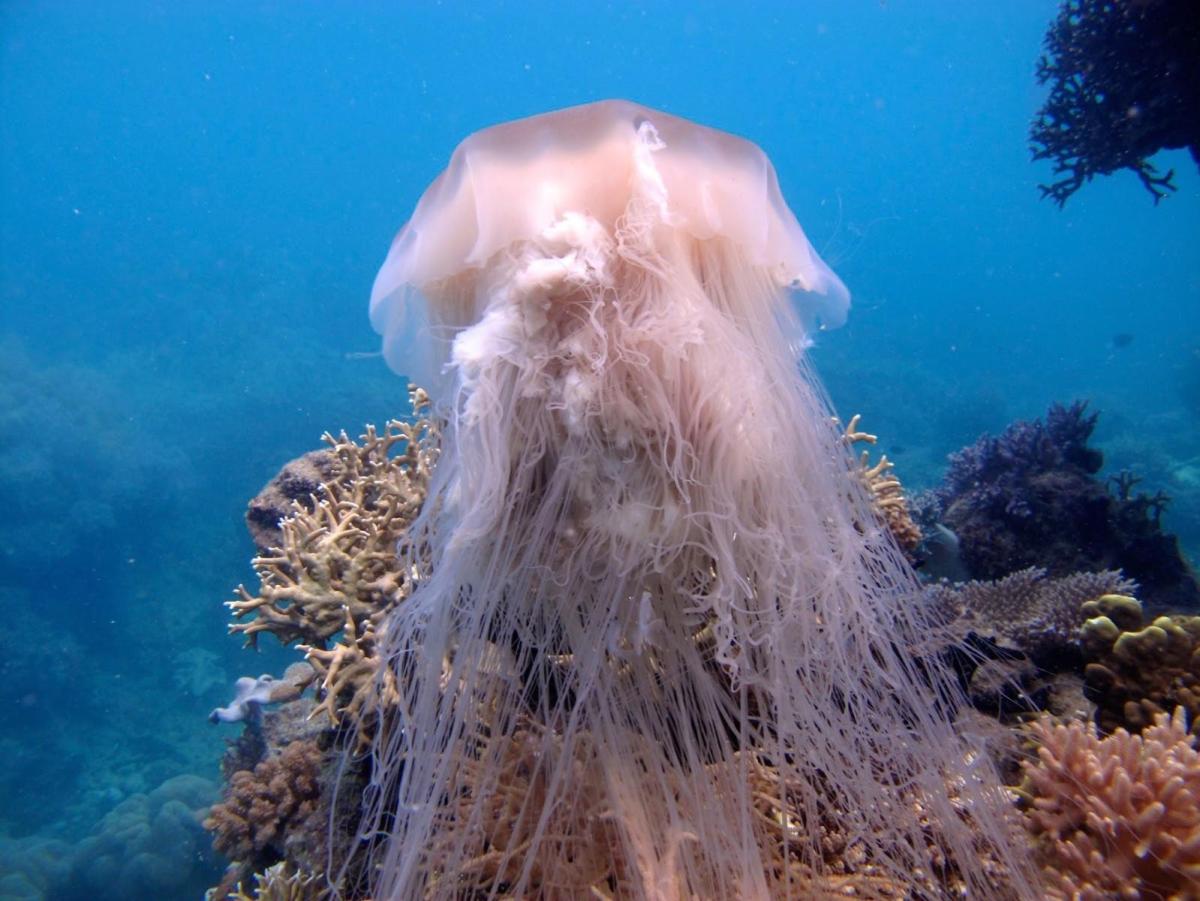
Stinger season refers to the time of year when marine stingers - particularly the more venomous
species of jellyfish - are more active and more likely to be present in coastal and reef waters.
In the Whitsundays, stinger season generally runs from December to
April, aligning with warmer sea temperatures and the wet season. While marine stingers can
occasionally be present outside these months, the likelihood is typically higher during this
period.
Which stingers are of concern?
There are many types of jellyfish in tropical waters, but two species are most commonly
associated with stinger season:
- Box jellyfish
- Irukandji jellyfish
Both species can be difficult to see in the water and can cause painful - and in rare cases,
serious stings. Because of this, they are treated with caution by local authorities and marine
tourism operators throughout the region.
It’s important to note that stings are relatively uncommon, especially when appropriate
precautions are taken, but awareness is essential.
What are the risks?
The risk associated with stinger season is variable, not constant. Factors such as water
temperature, weather patterns, tides, and location all play a role.
Most people who visit the Whitsundays during stinger season never experience a sting, however the
potential consequences mean safety measures are taken seriously. This is why you may notice:
- Seasonal warning signage at beaches
- Advice from tour operators and crew
- Increased use of protective swimwear
These measures are designed to reduce risk, not restrict enjoyment of the water.